


Cyber Solutions for Insurance Professionals: Building Resilience Against Emerging Threats
Richard W. Boone, Jr.
AI-related risk jumped from the tenth to the second-ranked business concern in a single year, and ransomware attacks rose roughly 45 percent in 2025. This article explains what these shifts mean for insurance professionals, from emerging AI, quantum, and deepfake threats to smarter underwriting questions, claims strategies, and policy language that prevents costly disputes. Download the full article to stay ahead of the next wave of cyber threats.
New Hampshire Court Holds Excess HNO Coverage is Not Triggered by a Default Judgment Where the Underlying Limit Was Never Paid
Eric G.Cheng
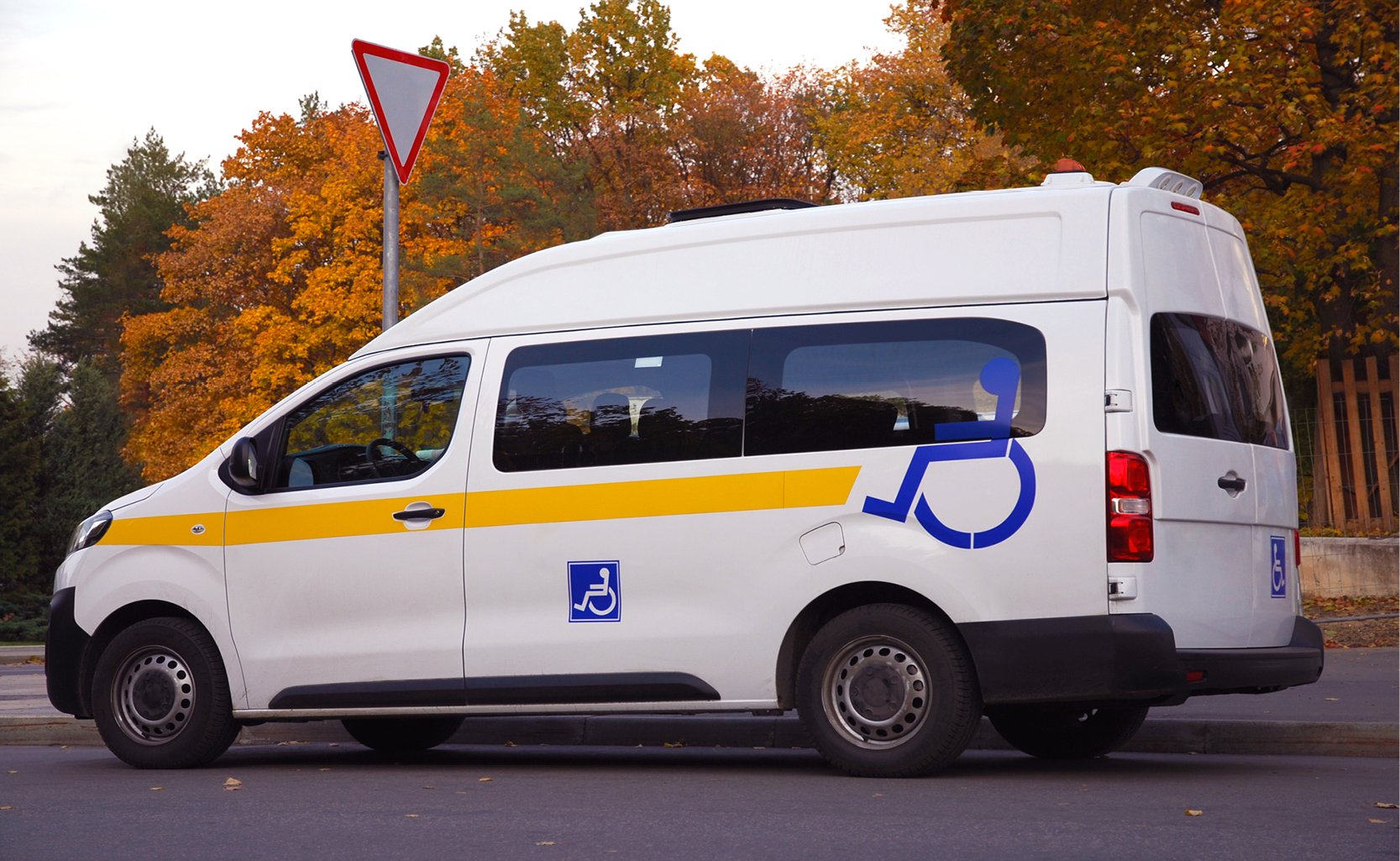
In Callahan v. Fortegra Insurance Company, a New Hampshire Superior Court held that excess Hired and Non-Owned Auto (HNO) coverage requiring the underlying limit to be "paid as damages" is not triggered when a claimant offers to credit that limit against a default judgment. The court rejected the plaintiff's "constructive exhaustion" argument, finding that a deemed credit cannot replace actual payment. The ruling gives excess carriers useful guidance where an insured defaults and no one pays the underlying limit.
👉 Read More
When Swimming with Sharks, It Pays to Have a “Safe Harbor”
Dale S. Dobuler
In Chambers v. Progressive, the Eleventh Circuit applied Florida's 2023 Safe Harbor Statute, Fla. Stat. § 624.155(4)(a), to defeat a nearly $8 million bad faith claim, even though the alleged failure to settle occurred in 2018. Because a bad faith claim accrues only when an excess judgment is entered, the statute's 90-day safe harbor applied, giving Florida carriers a powerful defense against "bad faith setups."

California Supreme Court Expands Excess Insurer Exposure: Exhaustion No Longer a Shield Against Declaratory Relief and Bad Faith Claims
Shannon L. Santos and David Simantob
In Fox Paine & Co., LLC v. Twin City Fire Ins. Co., the California Supreme Court unanimously held that an insured need not allege exhaustion of underlying insurance to pursue declaratory relief or bad faith claims against an excess insurer. Under the Court's new "reasonable likelihood" standard, excess insurers may face coverage and bad faith litigation well before their policies attach.

Mind the Gap: Colorado Supreme Court Says a Primary Insurer's Insolvency Does Not Trigger Umbrella Coverage
Jane E. Young and Hailey Blanco
In A.R. Wilfley & Sons, Inc. v. National Union Fire, 2026 CO 64, the Colorado Supreme Court ruled that a primary insurer's insolvency doesn't turn an excess umbrella carrier into the insured's stopgap for first-dollar defense and indemnity. Following the majority rule nationwide, the Court held that "covered" in the umbrella policy refers to the scope of the underlying coverage, not whether the primary insurer can pay, which is a significant win for umbrella carriers in a jurisdiction known for favoring policyholders.

Utah Enacts Automobile Liability Statute to Tame the Wild West of Claimant-Insurer Correspondence
Jane E. Young and Michelle L. Yang
Utah's new statute, Utah Code Ann. § 31A-2-323, sets procedural requirements for third-party auto policy-limits demands, including a 30-day minimum response period, and requires carriers to disclose their defense and indemnity positions within 30 days. The statute conflicts with Utah's "eight-corners" rule and its ripeness rules for the duty to indemnify, so carriers will need to think carefully about how they craft pre-suit coverage responses.
Want to stay updated on the latest in Insurance & Reinsurance Coverage?
Join our mailing list for insights, news, and updates — click here to subscribe.
Editors

Ashley F. Gilmore
Partner
Dallas, TX
ashley.gilmore@wilsonelser.com

Jane E. Young
Partner
Denver, CO
jane.young@wilsonelser.com

Erik J. Tomberg
Partner
Raleigh, NC
erik.tomberg@wilsonelser.com

Daniel E. Tranen
Partner
St. Louis, MO
daniel.tranen@wilsonelser.com